Match the transition to the panel
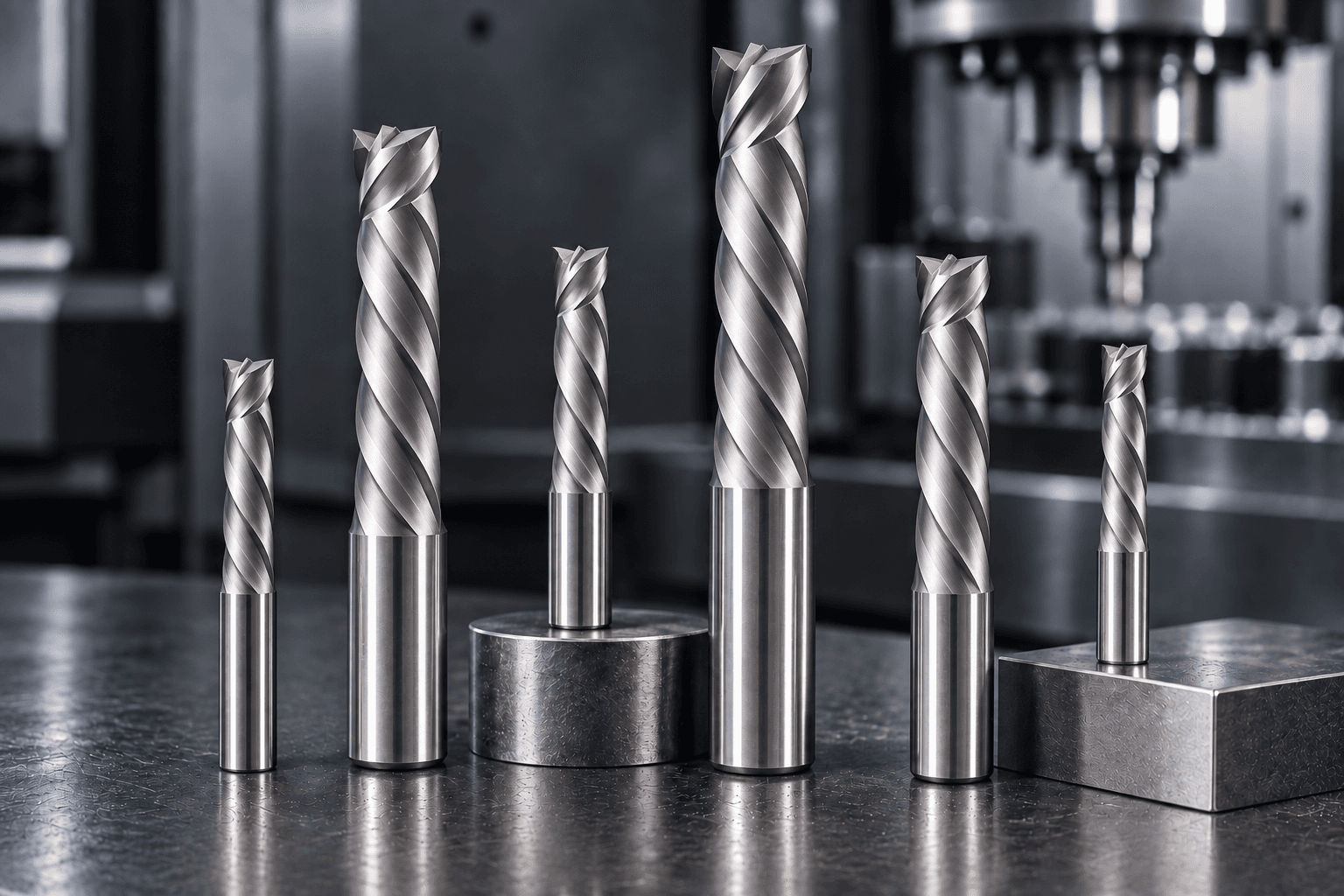
The lower upcut section and upper downcut section need to engage the intended faces for compression geometry to act as intended. Record the upcut length or transition position from the tool specification. Board thickness and the proposed operation must be assessed against that geometry; a shallow cut may engage only the upcut portion.
Describe the laminate and cutting task
Identify plywood, MDF, chipboard or the exact panel product, including coatings or veneers on each side. Distinguish nesting or through-profiling from grooves and pockets. Provide the cutter diameter, cutting length, shank, flute arrangement and machine details. A change of facing or thickness can change the relevant tool-selection requirements.
Use product-specific operating guidance
Minimum engagement and entry requirements vary by tool, and must remain within the machine and workholding limits. This guide does not prescribe a first-pass depth or encourage deeper cutting to obtain compression action. Supply the manufacturer's application data for review; edge finish, chip clearance and suitability must be considered for the actual setup.
Questions about your requirement
Will a compression bit protect the top face in a shallow pocket?
Not automatically. If only the upcut section engages the upper face, the intended opposing-shear effect is not established. Check the tool geometry and operation together.
Is one compression bit suitable for all board thicknesses?
No. The upcut length, transition position and usable cutting length must be assessed against the panel and documented operating limits.
Discuss a part or application
Send the full manufacturer part number or available specification, quantity and machine context. Identification, suitability and supply terms are assessed for the specific enquiry.
Send a tooling enquiry